The Essential Guide to Choosing Your Perfect Pair of Sunglasses
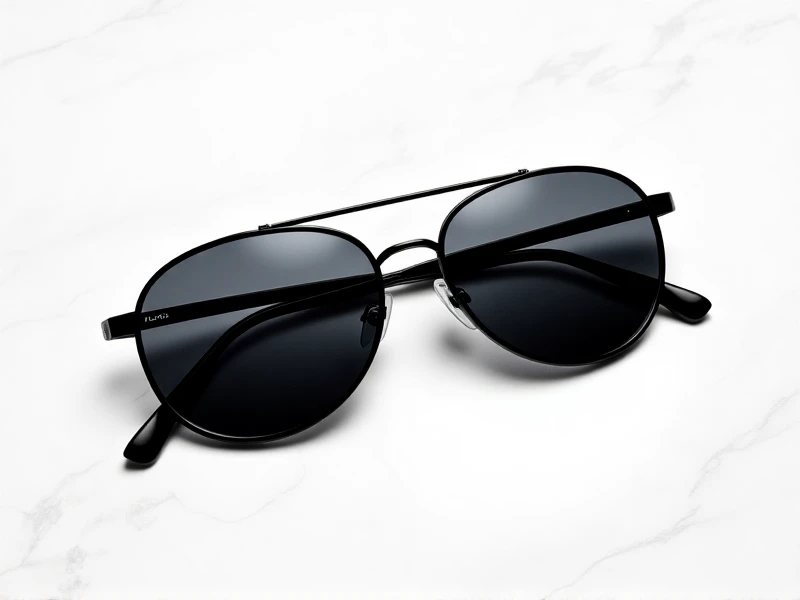
Okay, here is an SEO-optimized article in English focused on the keyword "Sunglasses," following all your specifications.
Sunglasses are far more than just cool accessories; they are vital tools for safeguarding one of your most precious senses: your sight. While enhancing style is a great perk, the primary function of quality sunglasses is blocking harmful ultraviolet (UV) radiation emitted by the sun. Prolonged exposure to UV rays without protection can significantly increase the risk of cataracts, macular degeneration, and even growths on the eye's surface, including cancerous ones. With increasing outdoor activities and year-round sun exposure concerns, understanding what makes effective sunglasses is crucial.
UV Protection: The Non-Negotiable Feature
The absolute most critical factor when buying sunglasses is 100% UV protection. Look for labels guaranteeing to block both UVA and UVB rays – often stated as "UV400," meaning they block wavelengths up to 400 nanometers, covering the entire UV spectrum. Don't be fooled by dark tint alone; darker lenses without proper UV filtering actually allow your pupils to dilate wider, potentially letting in more damaging rays. Always prioritise proven UV protection over budget; your eyes deserve it.
Lens Material and Color: Function Meets Preference
Modern sunglasses lenses are typically made from plastic (CR-39), polycarbonate, or NXT polyurethane. Polycarbonate and NXT offer superior impact resistance, making them excellent choices for sports or active lifestyles. Glass lenses provide exceptional optical clarity but are heavier and prone to shattering. Lens color impacts visual comfort and task suitability:
- Gray: Provides true color perception and reduces overall brightness evenly. Excellent for driving and general use.
- Brown/Amber: Enhances contrast and depth perception, great for variable light conditions like golf or fishing.
- Green: Good for general use, offers high contrast with moderate color distortion.
- Yellow/Rose: Maximizes contrast in low-light, hazy, or overcast conditions (popular for shooting or skiing). Not ideal for bright sun.
- Mirrored/Polarized: Mirrored coatings reflect light for very bright environments. Polarized sunglasses have a special filter that cuts intense reflected glare from water, snow, sand, or roads, significantly reducing eye strain and improving clarity.
Fit and Frame Styles
Comfort and proper coverage are key for sunglasses to be effective and enjoyable. Ill-fitting glasses allow peripheral UV light to enter and can slip constantly, becoming a nuisance. Look for frames that sit comfortably on your nose and ears without pinching. Wrap-around styles offer superior peripheral protection and stability during movement. Consider your face shape: oval faces suit most styles, round faces often suit angular frames, square faces benefit from softer ovals, and heart-shaped faces look great in aviators or frames wider at the bottom.
Beyond Style: An Investment in Eye Health
Choosing the right sunglasses isn’t just about fashion; it’s a fundamental investment in long-term eye health. Don’t compromise on UV protection. Pair quality lenses that shield your eyes completely with frames that fit comfortably, ensuring you wear them consistently whenever you're outdoors. With so many stylish and functional options available, finding sunglasses that protect brilliantly and make you look great has never been easier. Protect your vision today – your future self will thank you.